Tag Archives: maker space

“Pflugerbot” Speeds Mail Batching

As more House personal offices encourage staff to develop workplace tools and the House CAO office provides direct support through the AI Center, staff will need additional resources for keeping tabs of interesting projects floating about the chamber. I launched this section of the newsletter in part to do my little part in helping to build such awareness and am pleased to offer the first recap of a project developed within a member office.

In Rep. August Pfluger’s office, legislative correspondent Zach Ramsey has created a custom browser extension for its Fireside21 constituent mail account that eliminates the pain and suffering involved in tagging and batching incoming email.

Continue reading →
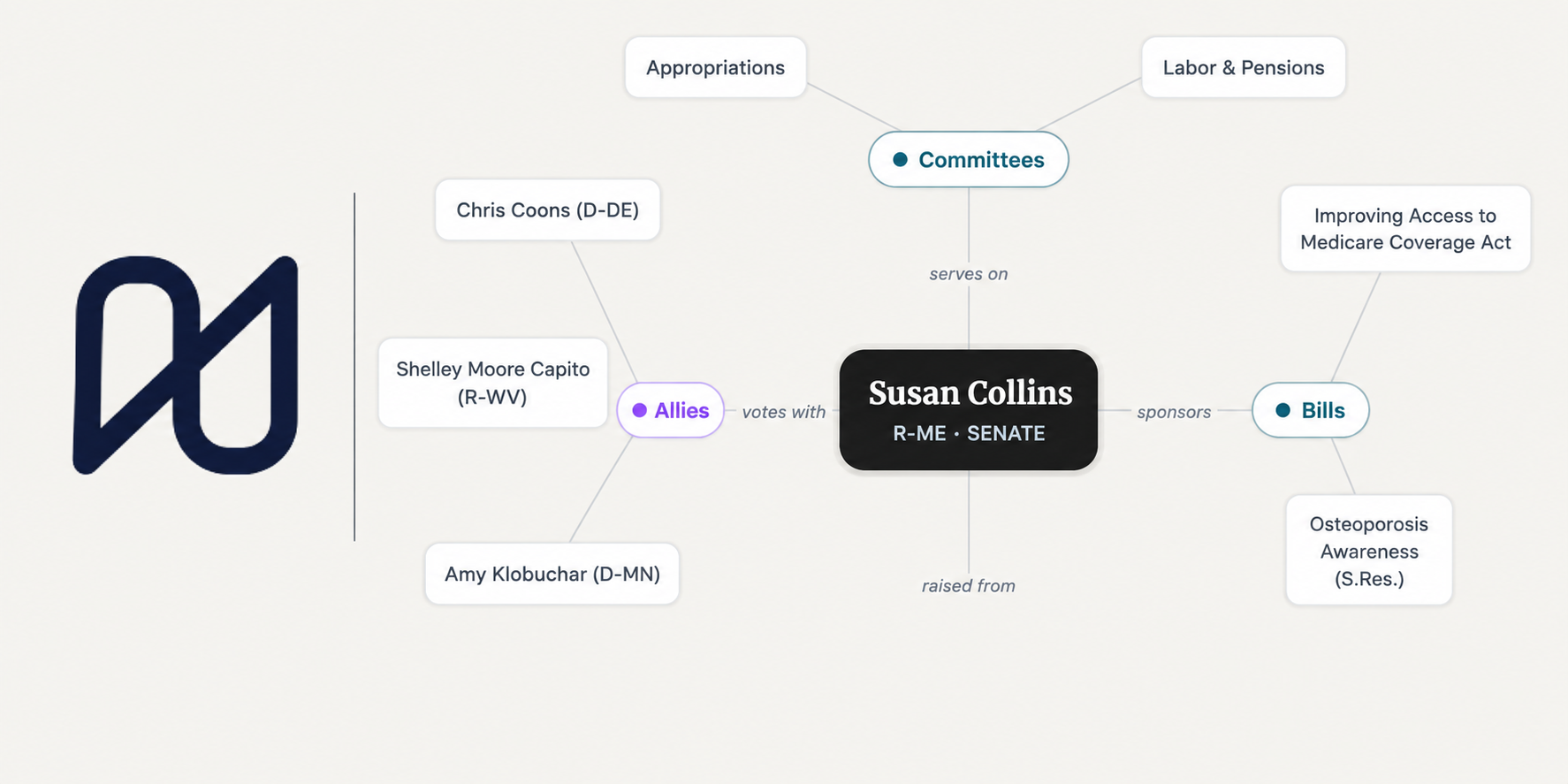
In Congressional Offices, CRMs Mail. MIO Aims to Handle Everything Else

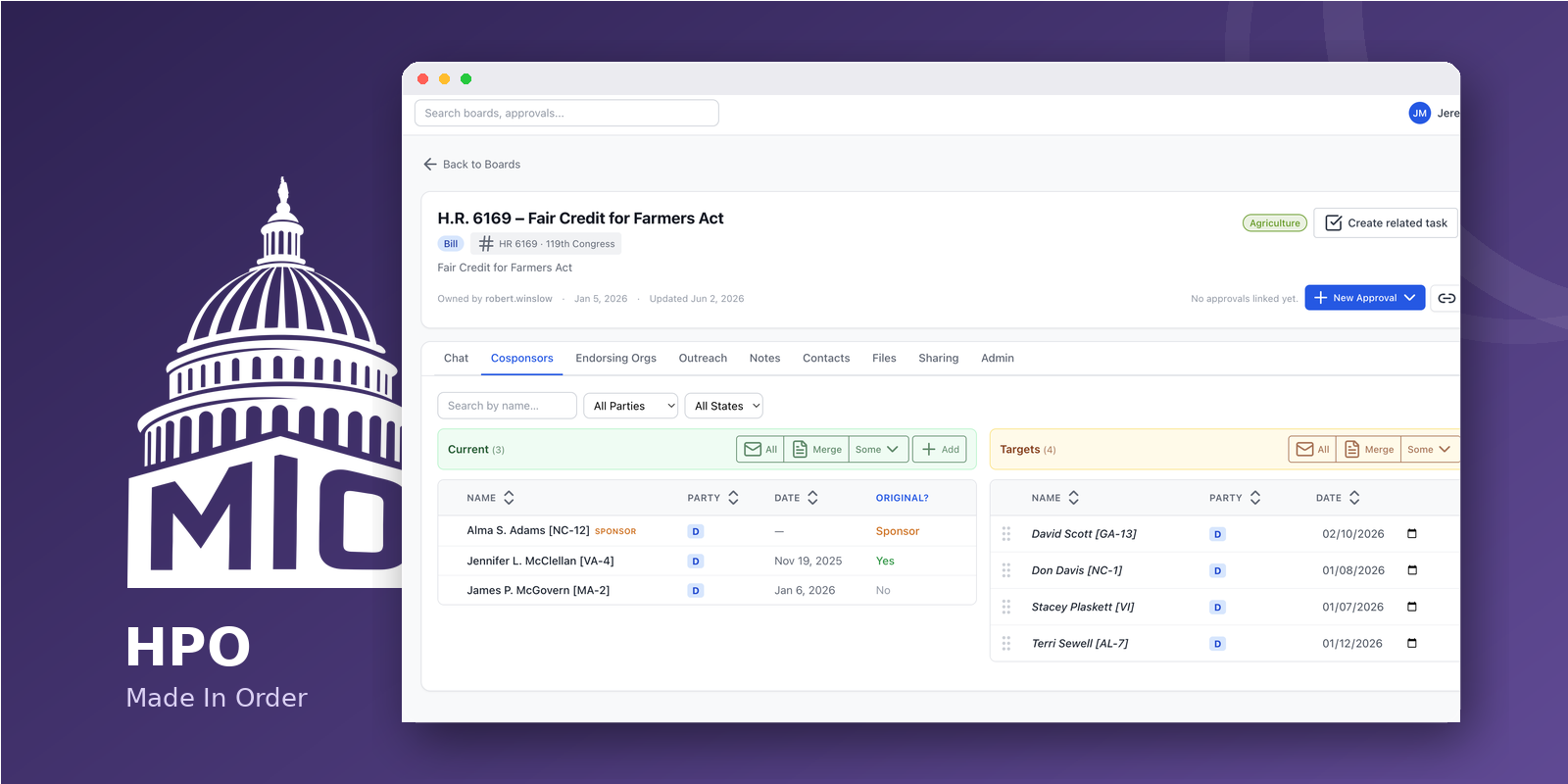
Although there are several well-established software packages (and more coming soon) for managing constituent mail in congressional offices, comprehensive solutions for handling everything else are generally lacking. Managers still rely on email to direct most workflows, which leads to overstuffed inboxes and inefficiency. 

Frustrated personally with this problem over his 20-plus years on the Hill, Jeremy Marcus finally left to start Made In Order, which is developing several software packages for congressional offices aiming to collapse multiple processes being done on spreadsheets and email chains into a single organizing system.

Continue reading →

Apogee: AI-assisted Legislative Intelligence Using Official Sources, at a Fraction of the Price

For more than a decade, Shaun Brown has been building tech tools inside the House, first for Democratic leadership staff and then with House Digital Service. He shares responsibility for building innovative apps like DomeWatch and LegiDex.

Recently, he launched a new external product called Apogee to apply AI agents and algorithms to connect disparate streams of official legislative branch, federal election, and lobbyist disclosure data into more than 60 specific capabilities for advocates, nonprofits, policy wonks, and congressional staff.

Continue reading →

Civic Revere, a fresh congressional CRM

We’re going to share a project that’s a much larger scale than our previous entries this week to introduce Civic’s Revere, a new CRM going through the approval process with the House. Civic co-founder Jon Kokot recently explained to me that much of the product is designed around the pain points of current systems, which he heard about from his contacts serving as a naval congressional liaison. The major culprit in current CRMs was staff having to manually extract data from a tidal wave of inbound information to make it usable. He drew from examples of the recent explosion of AI-enabled fintech products as a comparative point for the congressional market, where the automation of data processing from a range of sources can free staff to focus on higher-level tasks, which in the congressional case is legislative efforts and casework. Jon gave a demonstration of Revere at last year’s Congressional Hackathon.

Continue reading →

HillDesk, a scheduling dashboard nearing House approval

We recently met a rising senior at Washington & Lee University named Sam Cook. As a Computer Science and Politics major, he observed the delicate dance between platforms and spreadsheets used by the congressional office in which he was interning to manage its scheduling as a potential project. He started on building a platform that could pull information from multiple sources into one scheduling dashboard as an independent study project last semester at W&L and returned to DC this summer to complete the work.

Continue reading →

Interview with Dave Zvenyach: using technology to verify congressionally mandated reports

Congress routinely requires federal agencies to report back on their activities, but the legislative branch struggles with tracking and sharing those reports. After a decade long effort, in late 2022 Congress enacted the Access to Congressionally Mandated Reports Act. This law requires many agencies to provide a duplicate copy of the reports they submit to Congress to the Government Publishing Office, which maintains a central repository and makes the reports available to legislators and the public.

The legislation is a significant accomplishment for government transparency as the public would no longer need to file a FOIA request for these documents. It also is a significant accomplish for government accountability and efficiency, as all congressional offices would be able to obtain agency reports to Congress. In the past, the reports might easily be lost or not available to all.

Unfortunately, execution of the law faces significant technical challenges.

Continue reading →

MyCapitol.ai, a digital advocacy platform


For this edition of Maker Space, we highlight a project launched by Candace Moix and Julie Lin, two alumnae of the TechCongress program, to provide a free, robust digital advocacy platform called yCapitol.ai. AGI supports leveling the informational playing field when it comes to Congress, so this is a very exciting project not only for under-resourced advocacy groups and nonprofits, but congressional staff, too.

Continue reading →

Capitol Labs’ congressional hearing database

For this issue of Make Space, we highlight Capitol Labs’ comprehensive congressional hearing database. It’s the work of Jason Lemons, former VP at Prolegis and House staffer. Lemons described the project to me as an experiment in assembling a comprehensive set of data related to hearings under one hood. It builds upon what is available from the Library of Congress via Congress.gov APIs and committee videos to make the record of the hearing much more accessible and allow for analysis in ways that only otherwise exist on expensive subscription platforms.

Continue reading →

Congress Press, a collection of congressional press releases

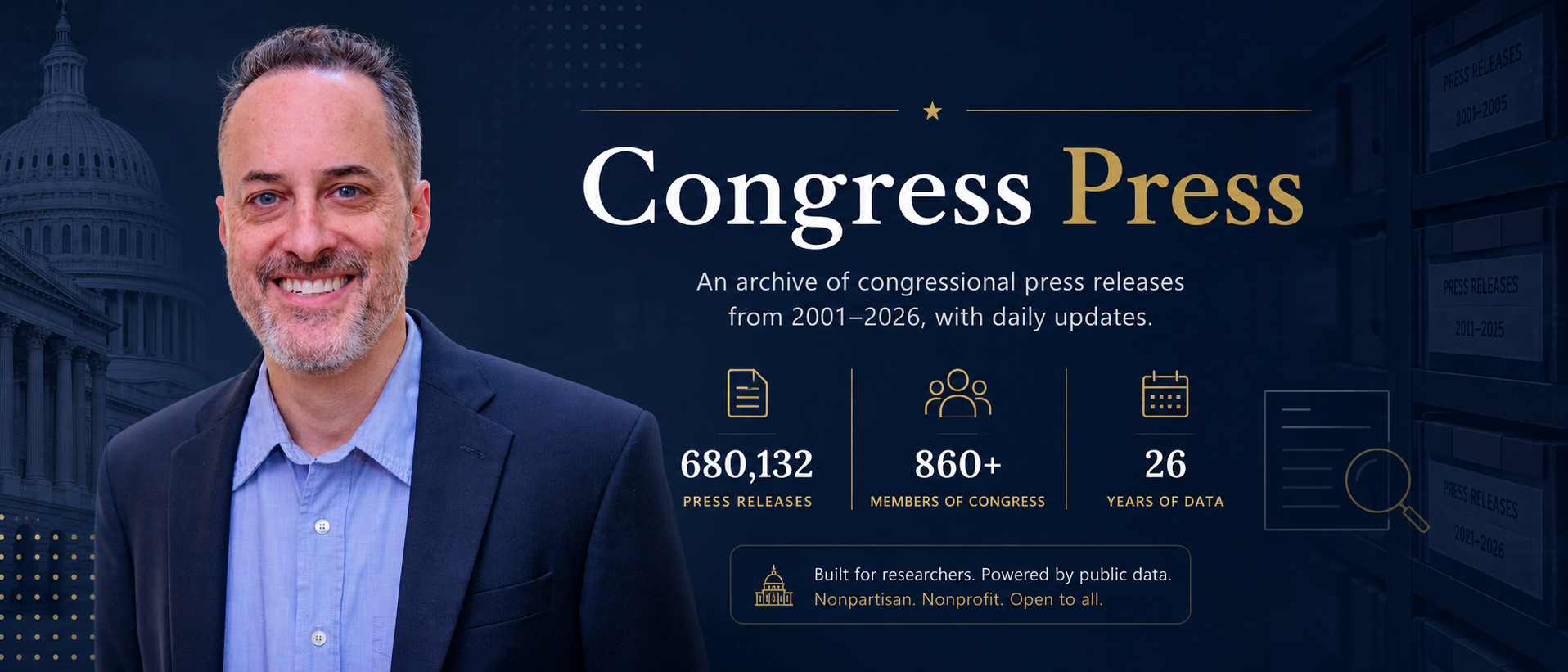
A combination of images of Derek Willis, creator of Congress Press, and information from his website about the number of press releases they have.

Our first featured project for Maker Space is from one of the legends in congressional data and data journalism, Derek Willis of the Merrill College of Journalism at the University of Maryland. This spring, he released Congress Press, a spiffy update of his efforts to collect and share congressional members’ press releases he first started at ProPublica.

Continue reading →

Welcome to Maker Space, a new series on Congressional tools

An AI generated illustration of a maker space.

The community of people inside and outside Congress who are tinkering with different legislative datasets and code to produce useful tools is growing rapidly. It’s a sign of the success of efforts like the Congressional Data Task Force and Congressional Hackathon and open mindedness of stakeholders across the House and Senate to encourage experimentation. That community is still somewhat decentralized, though, so discovering new projects can be a challenge.

To that end, we’re starting a new semi-regular series to highlight individual projects large and small called Maker Space to build greater awareness of the cool stuff out there.

Continue reading →